Apartment Dog Waste: How to Manage Cleanup Without a Yard in 2026
Managing apartment dog waste is one of the trickiest parts of raising a dog without a private yard. No backyard means every potty break is a walk, every pickup happens in shared or public space, and mistakes get noticed by neighbors fast. Handled well, apartment dog waste management keeps your building clean, your neighbors happy, and your dog healthy. This 2026 guide covers practical systems for cleanup, odor control, indoor backups, and etiquette that make apartment dog ownership smooth and stress-free.
Whether you rely on building amenities or bring in trusted professionals for shared-space upkeep, the strategies below keep waste from ever becoming a problem.
Why Apartment Dog Waste Needs a Real System
In a house, a missed pickup stays in your own yard. In an apartment, waste happens in hallways, elevators, shared lawns, and sidewalks where everyone sees it. Uncollected waste there spreads parasites in high-traffic areas, generates complaints, and can even violate lease terms. A deliberate system, not improvisation, keeps you and your dog in good standing with the building.
The Core Challenges
- No private space, so every break is public.
- Shared elevators and hallways magnify odor and mess.
- Limited disposal points between home and the street.
- Strict lease rules and neighbor scrutiny.
How Do You Manage Dog Waste in an Apartment?
The answer is preparation and consistency. Always carry supplies, know your disposal points, and clean up immediately, every time. A predictable walk schedule also reduces urgent accidents in hallways and elevators.
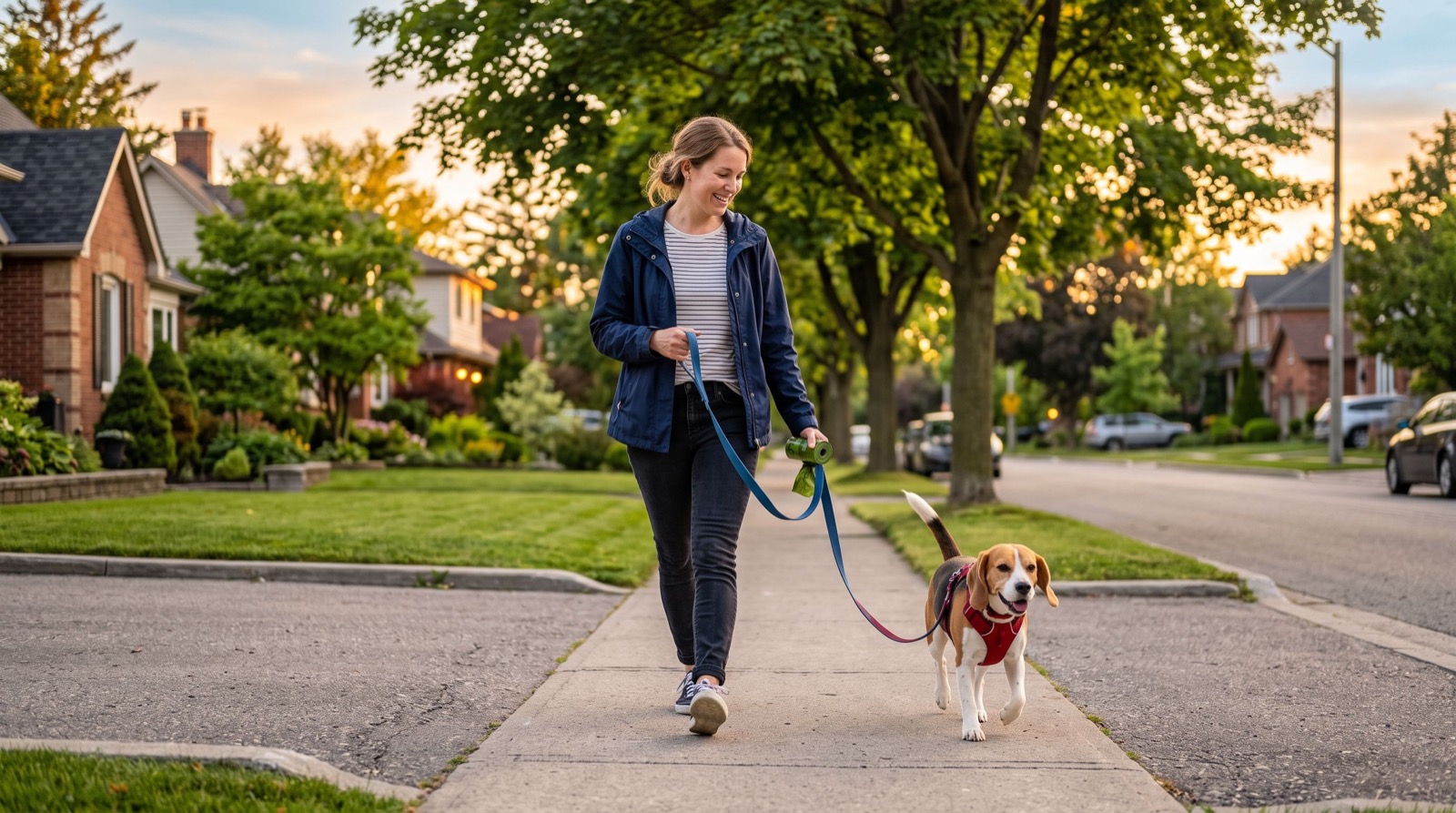
- Always carry bags on the leash so you are never caught without one.
- Clean up immediately, even in public spaces, without exception.
- Know your disposal points and use lidded outdoor bins, not indoor trash chutes when avoidable.
- Keep an indoor backup like a pee pad or grass patch for emergencies and bad weather.
- Deodorize your entry area so tracked-in odor does not linger.
Tools That Make Apartment Cleanup Easy
Apartment cleanup depends on being ready at a moment’s notice. Reliable bags are non-negotiable; a tear in a public hallway is far worse than one in your own yard. Keeping a Heavy duty trash bags supply clipped to the leash means you can seal waste cleanly and carry it to a bin without odor or leaks. For owners with access to a shared patio or grass patch, a compact long-handled Pooper Scooper nearby tool makes clearing an indoor grass pad or small relief area fast and hands-free.
Indoor Backup Options
| Option | Best For | Upkeep |
|---|---|---|
| Pee pads | Puppies, emergencies | Frequent replacement |
| Real grass patch | Balcony access | Scoop and swap grass |
| Artificial turf tray | Reusable indoor use | Rinse and deodorize |
| Litter-style box | Small breeds | Regular cleaning |
Odor Control in Small Spaces
Odor travels fast in apartments. Seal waste immediately in odor-blocking bags, take it straight to an outdoor bin, and clean any indoor relief area daily with an enzymatic cleaner. Ventilate after cleanup and keep a covered, lined bin if you must store waste briefly. Small-space living leaves no room for lingering smell, so promptness is everything.
Etiquette and Building Rules
Good etiquette protects your relationship with neighbors and management. Always pick up immediately, keep your dog off landscaped beds used by others, and never let waste sit in common areas. The Centers for Disease Control and Prevention recommends prompt removal of pet waste to prevent the spread of parasites, which is especially important in the shared, high-traffic spaces of apartment living.
Building a Reliable Walk Routine
A predictable walk schedule is the backbone of apartment dog waste management. Dogs thrive on routine, and a consistent timetable reduces urgent accidents in hallways and elevators. Most apartment dogs need a morning walk, a midday break, an evening outing, and a final trip before bed. Puppies and seniors need more frequent breaks, so plan accordingly and consider a dog walker for gaps in your day.
Map your building’s disposal points before you need them. Know where the nearest outdoor bins sit, and plan walk routes that pass them so you are never carrying a sealed bag longer than necessary. In tall buildings, the elevator ride down is when leaks and odor become obvious, which is exactly why a reliable, well-sealed bag matters so much in apartment living compared to a house with a backyard.
Weather and Emergency Preparedness
Bad weather is when apartment routines break down. Keep an indoor backup ready for storms, illness, or late nights, and stock extra supplies so a busy week never leaves you scrambling. A little preparation prevents the accidents that draw neighbor complaints.
- Keep a stocked indoor grass patch or pad for emergencies.
- Store spare bags by the door and clipped to the leash.
- Have a rain plan so walks still happen in bad weather.
- Arrange a dog walker for long workdays or travel.
With a dependable routine and backups in place, apartment dog ownership loses most of its stress. Waste stops being a source of anxiety and becomes just another manageable part of your day, keeping your home, your building, and your relationships with neighbors in good shape.
Frequently Asked Questions
How do you deal with dog waste in an apartment with no yard?
Carry bags on every walk, clean up immediately in public spaces, use lidded outdoor bins, and keep an indoor backup like a pee pad or grass patch for emergencies and bad weather.
What is the best indoor potty solution for apartment dogs?
Real grass patches and artificial turf trays work well for balcony or indoor use, while pee pads suit puppies and emergencies. Choose based on your space and your dog’s size and habits.
How do I control dog waste odor in a small apartment?
Seal waste in odor-blocking bags, remove it to an outdoor bin promptly, clean indoor relief areas daily with enzymatic cleaner, and ventilate. Promptness is the key in small spaces.
What are the etiquette rules for apartment dog waste?
Always pick up immediately, keep off shared landscaped beds, never leave waste in common areas, and follow your building’s rules. Courteous cleanup keeps neighbors and management happy.
Conclusion
Apartment dog waste is entirely manageable with the right system: carry reliable bags, clean up immediately, know your disposal points, keep an indoor backup, and control odor aggressively. Good etiquette and consistency protect your standing with neighbors and your building, while prompt removal protects everyone’s health. Build these habits and the right toolkit in 2026, and living with a dog in an apartment stays clean, courteous, and completely stress-free.